

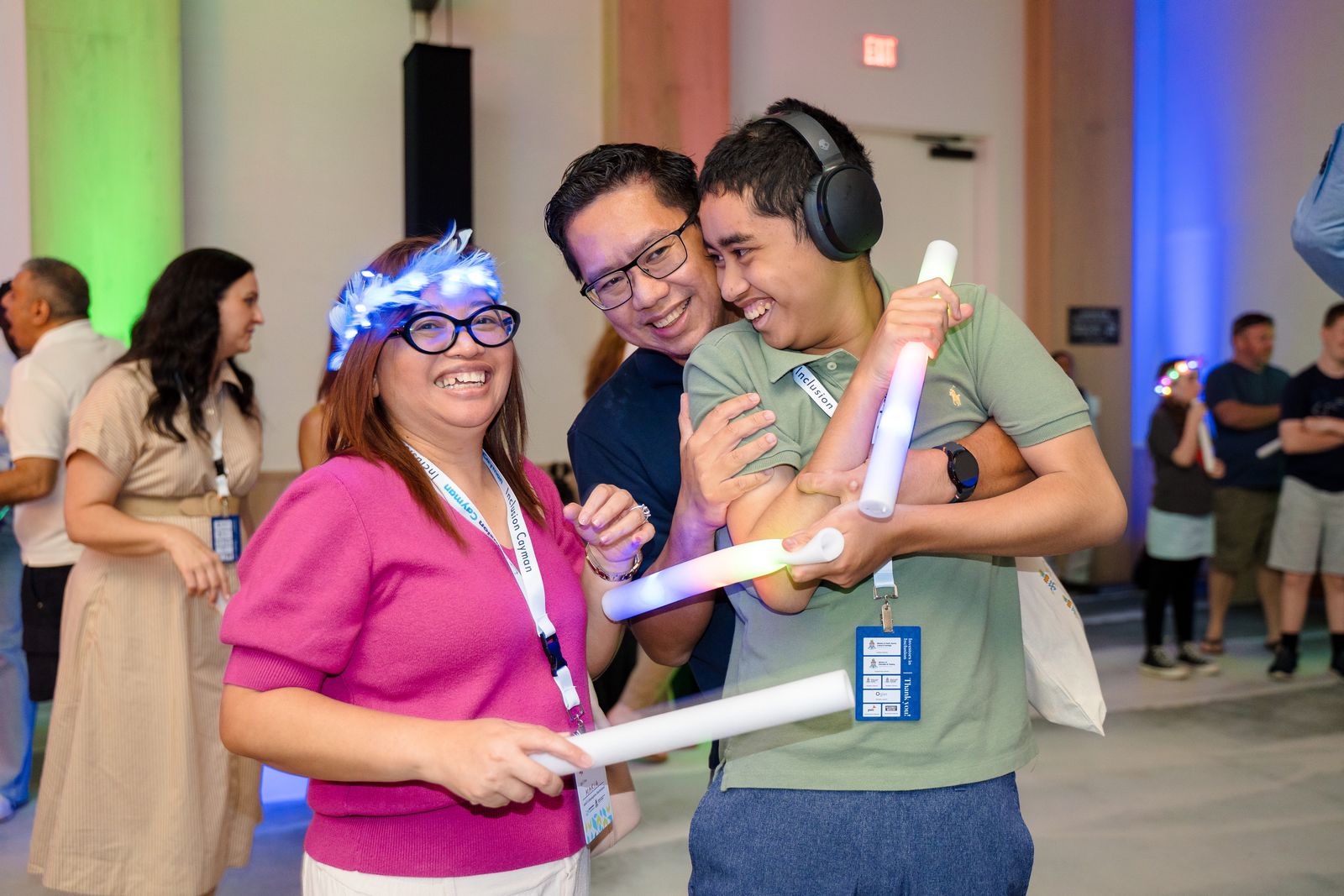
Advocacy isn’t just about speaking up. It’s about changing systems, removing barriers, and making sure people with disabilities can actually participate in everyday life.
In the Cayman Islands, disability advocacy has evolved significantly over the past 18 years. What started as basic awareness has grown into a focused movement for real inclusion across employment, education, and community life. But effective advocacy still gets misunderstood. It’s about rights, access, and belonging.
What disability advocacy means in the Cayman Islands
Disability advocacy is the work of ensuring people with intellectual and developmental disabilities have the same opportunities, choices, and dignity as everyone else. It’s about removing the barriers that prevent someone from getting a job, attending their local school, or joining a community group.
In Cayman, advocacy happens at multiple levels. It’s a parent pushing for inclusive education in their child’s classroom. It’s an employer creating supported employment opportunities. It’s a self-advocate speaking at a policy meeting about what they actually need, not what others assume they need.
The social model of disability guides this work. Disability isn’t caused by a person’s impairment. It’s the result of barriers in society: inaccessible buildings, inflexible hiring practices, segregated schools, and attitudes that assume people can’t contribute. Advocacy targets those barriers.
Rights-based advocacy vs charity-based approaches
There’s a big difference between charity and rights. Charity says, “We’ll help you because we feel sympathy.” Rights-based advocacy says, “You deserve access because you’re a person, and society needs to change to include you.”
A charity mindset creates dependence. Rights-based advocacy builds power. It centres the voices of people with disabilities and their families. It demands systemic change, not just one-off kindness. And it treats inclusion as a legal and moral obligation, not a favour.
Cayman Islands’ disability rights work has shifted firmly toward this rights-based model. That’s not to say generosity doesn’t matter. It does. But effective advocacy doesn’t stop at goodwill. It changes policy, practice, and culture.
Why effective advocacy goes beyond awareness
Awareness campaigns have their place. But awareness without action isn’t enough. You can plaster posters everywhere about inclusion and still have zero people with disabilities employed in your organisation. You can host a feel-good event and still run a school that excludes students with support needs. Awareness is the starting point, not the finish line.
Effective advocacy in Cayman today focuses on outcomes. Are people getting jobs? Are students attending schools with the support they need? Are community spaces genuinely accessible? If the answer is no, awareness hasn’t done its job.
Real advocacy can be uncomfortable. It asks employers to rethink hiring and workplace environments. It challenges schools to adapt their teaching. It pushes government to enforce accessibility standards. It doesn’t wait for people to feel ready. It creates the conditions where inclusion becomes the default, not the exception.
The most important areas of advocacy in Cayman today
Three areas need the most attention right now: employment, education, and community participation. Progress in these areas determines whether people with disabilities can live full, self-determined lives.
Advocacy in education, employment, and community life
Employment is where advocacy meets economic justice. People with intellectual and developmental disabilities want to work. But they’re often locked out by assumptions, inaccessible recruitment, or a lack of workplace support.
Supported employment programmes prove this doesn’t have to be the case. With the right job matching, training, and ongoing support, people with disabilities succeed in real jobs for real pay. Advocacy here means convincing employers to take the first step and helping them see that inclusion isn’t a burden. It’s good business.
Education is where inclusion starts. If children with disabilities are separated from their peers, they learn that they don’t belong. If they’re included with proper support, everyone benefits. Students with disabilities get the education they deserve. Their classmates benefit from learning in a school environment that is designed to support different needs, strengths and ways of learning, creating a stronger and more inclusive experience for everyone. Inclusive advocacy in Cayman education pushes for students to attend their local school, receive individualised support, and participate meaningfully in classroom life. It’s not about dumping kids in a room and hoping for the best. It’s about training teachers, adapting curricula, and making schools flexible enough to meet diverse needs.
Community participation is about everything else: sports, arts, social groups, public spaces. If someone can’t access the beach, the cinema, or a community centre, they’re excluded from community life on island. Advocacy here is about physical accessibility, yes, but also about attitudes. It’s about making sure people with disabilities are welcomed.
What effective advocacy looks like for families and individuals
If you’re a family member or a person with a disability, advocacy starts with knowing your rights. You don’t have to accept “no” when it’s based on assumptions or convenience.
Effective advocacy means asking questions. Why can’t my child attend this school? What support would make this job work? Who decided this policy, and can it be changed? It means documenting barriers, connecting with others facing the same issues, and being persistent.
The role of self-advocacy and lived experience
Self-advocacy is the most powerful form of advocacy. When people with disabilities speak for themselves, it cuts through the noise. They’re the experts of their own lives. They know what works, what doesn’t, and what needs to change.
Self-advocacy support helps people develop the skills and confidence to speak up in meetings, make decisions about their own lives, and challenge systems that limit them. It’s not about being loud. It’s about being heard.
Families play a critical role too, especially when someone needs support to communicate. But the goal is always to amplify the voice of the person with a disability.
How employers, schools, and community groups can take action
You don’t need to be a disability expert to be an effective advocate. You just need to be willing to change.
Employers: Start by auditing your hiring process. Are you screening out people with disabilities before you even meet them? Partner with Inclusion Cayman to identify candidates, provide job coaching, and create an inclusive workplace culture. One hire can shift your entire team’s perspective.
Schools: Inclusion isn’t a programme you add on. It’s how you run the school. Train your staff. Adapt your environment. Presume competence. Work with families and specialists to create individualised support plans. And most importantly, don’t segregate. Inclusion means being in the room, not next door.
Community groups: Make your events, spaces, and activities accessible by default. Use plain language in your communications. Offer multiple ways to participate. Ask people with disabilities what they need, then actually do it. Inclusion Cayman isn’t a checklist. It’s a mindset.
Practical next steps for local organisations and families
If you’re ready to move from awareness to action, here’s where to start:
- Connect with people doing the work. Don’t reinvent the wheel. Organisations like Inclusion Cayman have 15 years of experience and free support available.
- Educate yourself on the social model of disability. Understand that barriers are social, not medical.
- Start small but start now. You don’t need a perfect plan. You need a first step.
- Listen to people with disabilities. Their lived experience is your best guide.
- Commit to the long term. Inclusion isn’t a project. It’s a practice.
How Inclusion Cayman supports advocacy across Cayman
Since 2008, Inclusion Cayman has been at the centre of disability advocacy in the Cayman Islands. The organisation works across employment, education, and community life to break down barriers and create real opportunities for people with intellectual and developmental disabilities.
All services are free. Advocacy shouldn’t be available only to those who can afford it. Inclusion Cayman supports individuals and families navigating education systems, finding employment, and participating in community life. It partners with employers to create inclusive workplaces and with schools to implement inclusive education practices. It also works on public policy, pushing systemic change that benefits everyone.
The work is grounded in partnership. Inclusion doesn’t happen to people. It happens with them. That means centering the voices of people with disabilities, respecting their choices, and building solutions that reflect their needs and aspirations.
Whether you’re a parent looking for support, an employer ready to hire inclusively, or a community member who wants to get involved, Inclusion Cayman is a practical starting point. The organisation doesn’t just talk about advocacy. It does it, every day, across the island.
Advocacy is a collective responsibility
Effective disability advocacy in the Cayman Islands isn’t the job of one organisation or one group of people. It’s a collective responsibility. It’s employers, educators, families, policymakers, and people with disabilities working together to remove barriers and create belonging.
The progress made over the past 15 years proves change is possible. But there’s still work to do. Too many people are still locked out of employment, education, and community life because of barriers that don’t need to exist. You can be part of the next wave of change. Whether that’s hiring someone with a disability, advocating for inclusive education in your child’s school, making your community group accessible, or simply challenging assumptions when you hear them.
Advocacy isn’t complicated. It’s about showing up, asking questions, and refusing to accept exclusion as normal.
Ready to support disability advocacy in the Cayman Islands? Get in touch with Inclusion Cayman to learn how you can get involved in employment, education, or community inclusion work. Whether you’re an employer, educator, family member, or community partner, there’s a role for you in building a more inclusive Cayman.