

We all belong
Why inclusion?

A shared belief
Inclusion Is About Belonging
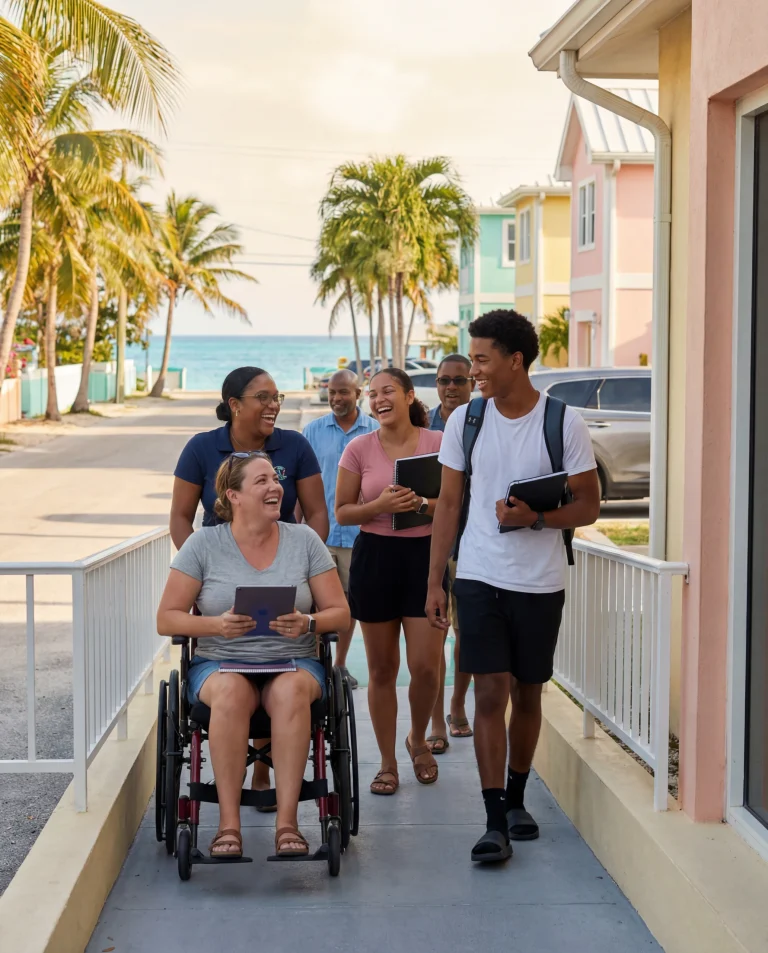
Inclusion begins with a shared belief that everyone belongs in our community.
It is not about charity, special treatment, or fixing individuals. Inclusion means recognising that when our environments, systems, and attitudes are designed with everyone in mind, more people are able to participate fully in everyday life.
At Inclusion Cayman, our work is guided by the Social Model of Disability which understands disability as something created by environments, systems, and attitudes that fail to accommodate human diversity.
While over the decades society has headed in the right direction, it is vital that we all continue to do our part to continue breaking barriers and stigma to ultimately create true equality regardless of someone’s age or ability.
Without exception
Inclusion Is a Human Rights Issue
Inclusion is about recognising that everyone belongs and that barriers (not impairments) are what exclude people from full participation in society.
To recognise barriers is one thing but, removing barriers creates equality for people living with a disability and the social model solution can help guide the general population to make these shifts to become a more inclusive world that will promote human diversity, confidence and independence to people regardless of their age or ability.
Shifting the focus
From Fixing People to Fixing Systems
For a long time, disability has been viewed through a medical model: one that focuses on what a person cannot do and how they might be treated or managed. While healthcare practice has its place, this approach often leads to separation, lowered expectations, dependency and limited opportunities.
The Social Model of Disability invites us to ask better questions, such as:
- Are our buildings and public spaces accessible?
- Is information shared in ways everyone can understand?
- Are disabled people welcomed, respected, and heard?
- Do our policies support flexibility and dignity?
Through this lens, disability is not a personal problem. Exclusion is a community challenge, and one we can solve together.
The Social Model of Disability
Societal barriers

- Inaccessible infrastructure
- Lack of service
- Poor communication
- Negative stereotyping
- Poor understanding
- Increased social isolation
- Lack of employment opportunities
- Non-inclusive legislation, policies & Procedures
- Lack of educational Opportunities
Benefits
Inclusion Benefits Everyone
Inclusive societies are stronger, more innovative, and more compassionate. When we design systems that work for disabled people, we create environments that work better for:
Older adults
Children and families
People with temporary injuries
People facing mental health challenges
People navigating language or cultural barriers
By supporting Inclusion Cayman, our donors are champions of change: helping to break down barriers, expand opportunities, and build a Cayman where everyone belongs. Your support doesn’t just fund programs; it creates a ripple effect of understanding, connection, and possibility across the islands.
Vision
Our Vision for the Cayman Islands
Inclusion Cayman advocates for a society where disabled people:
Are valued as equal and active members of the community
Can access education, employment, healthcare, and public life
Are involved in decisions that affect their lives
Are supported without being segregated or pushed aside
By supporting Inclusion Cayman, our donors are champions of change: helping to break down barriers, expand opportunities, and build a Cayman where everyone belongs. Your support doesn’t just fund programs; it creates a ripple effect of understanding, connection, and possibility across the islands.
Get involved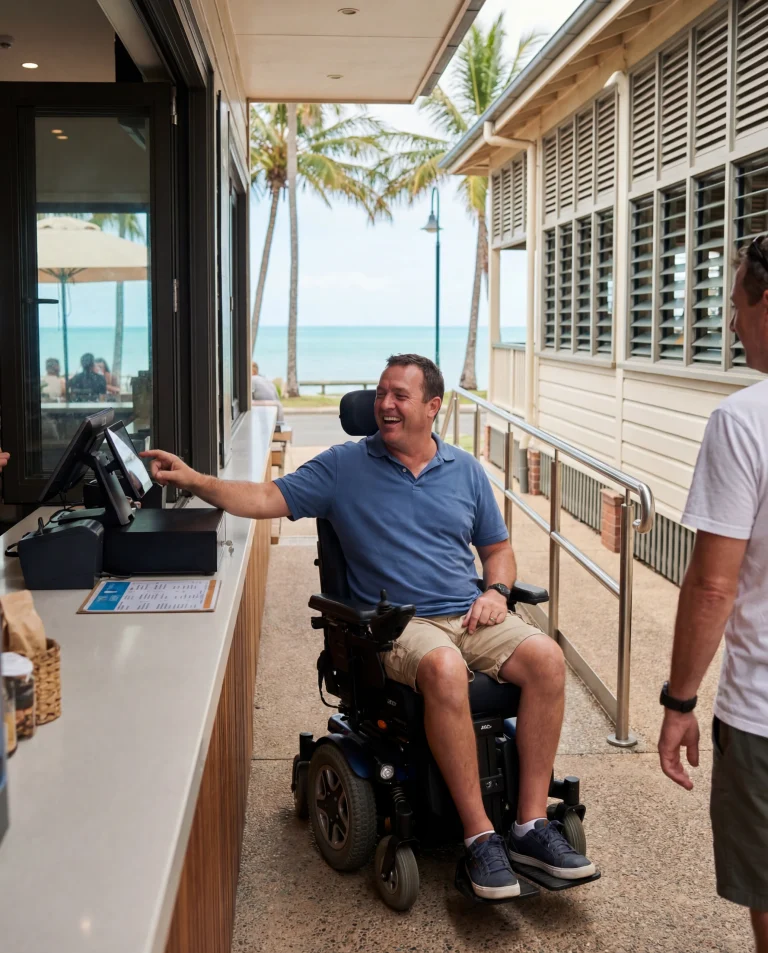
Be part of the change
Creating an inclusive Cayman Islands takes all of us: individuals, families, organisations, and communities working together.
Whether you want to learn more, share your voice, volunteer your time, or support inclusive change, there’s a place for you at Inclusion Cayman.